
TMJ Dysfunction (TMD) Treatment in Melrose Park
Evidence-Based Assessment and Management of Jaw Pain
Jaw pain can make everyday activities surprisingly difficult. Eating, talking, yawning or even smiling may become uncomfortable, and many people don't realise that their headaches, neck pain or facial discomfort could be related to their jaw joint.
One of the first questions I ask patients is:
"Is your jaw the only thing that's bothering you, or are you also experiencing headaches, neck pain or ear discomfort?"
This question is important because the jaw rarely works in isolation. The temporomandibular joint (TMJ) works closely with the muscles of the face, neck and upper cervical spine. When one part of this system isn't functioning well, it can influence the others.
At Spine Chiropractic Melrose Park, every patient receives a comprehensive assessment to identify the factors contributing to their symptoms. My goal is to help you understand your condition and develop an individualised, evidence-based management plan to improve jaw function and reduce pain.
What Is TMJ Dysfunction?
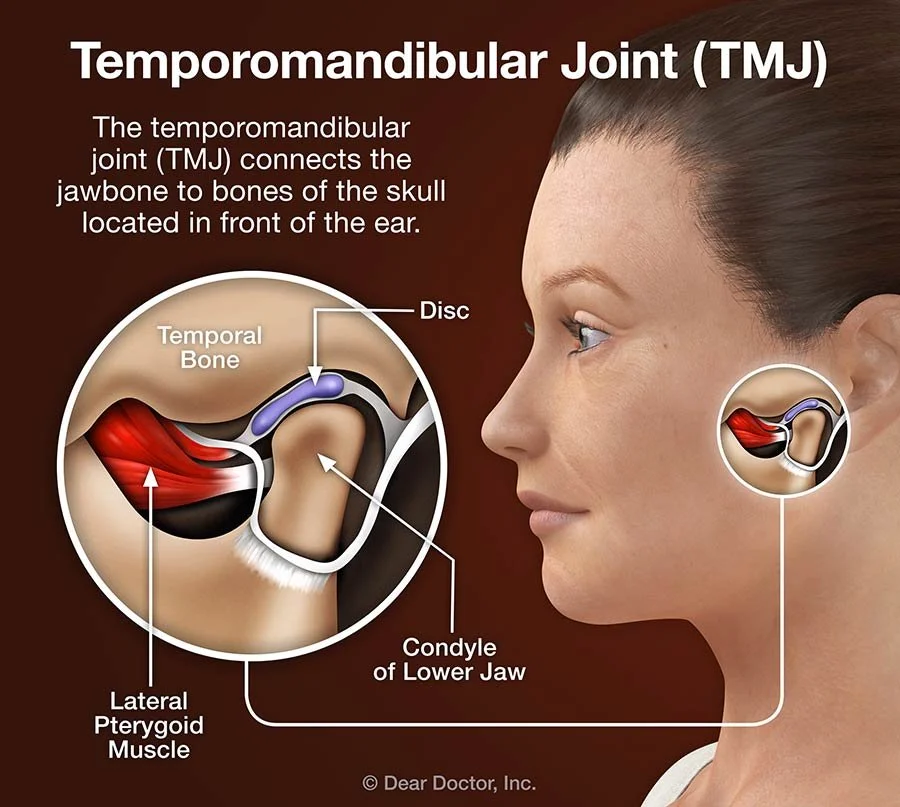
The temporomandibular joint (TMJ) connects your lower jaw (mandible) to the skull, just in front of each ear.
It is one of the most frequently used joints in the body, helping you:
Speak
Chew
Swallow
Yawn
Smile
Open and close your mouth
Temporomandibular Disorders (TMD) refer to a group of conditions affecting the jaw joints, surrounding muscles and associated structures.
Symptoms can vary considerably from one person to another, which is why a detailed assessment is so important.
Common Symptoms
People with TMJ dysfunction may experience:
Jaw pain
Clicking or popping of the jaw
Jaw locking
Difficulty opening the mouth
Pain while chewing
Facial pain
Ear pain or pressure
Ringing in the ears (tinnitus) in some individuals
Headaches
Neck pain
Muscle tightness around the jaw
Pain when yawning
Jaw fatigue
Some patients notice symptoms only when eating, while others experience discomfort throughout the day.
What Causes TMJ Dysfunction?
There is rarely one single cause.
TMJ dysfunction is often influenced by several factors working together, including:
Jaw muscle overuse
Teeth clenching or grinding (bruxism)
Stress-related muscle tension
Previous jaw injury
Arthritis affecting the TMJ
Poor posture
Neck dysfunction
Connective tissue disorders
Dental or bite-related factors in some cases
Understanding these contributing factors helps guide appropriate management.
The Relationship Between the Jaw and Neck
One aspect that many people are surprised to learn is how closely the jaw and neck work together.
The muscles responsible for jaw movement are connected with muscles that stabilise the head and neck. Changes in posture or reduced movement in the upper cervical region may influence muscle activity around the jaw in some individuals.
For this reason, your assessment may include both the TMJ and the cervical spine to gain a more complete understanding of your symptoms.
How We Assess TMJ Dysfunction
A comprehensive assessment may include:
Medical history
Jaw movement assessment
Measurement of mouth opening
Observation of jaw movement patterns
Palpation of the jaw muscles
TMJ joint assessment
Cervical spine examination
Postural assessment
Muscle strength and flexibility testing
Neurological screening where indicated
If your symptoms suggest a condition requiring dental, maxillofacial or medical assessment, appropriate referral will be discussed.
Evidence-Based Chiropractic Management
Management is tailored to your individual presentation.
Depending on your assessment findings, your treatment plan may include:
Gentle chiropractic care where clinically appropriate
Diversified and Activator Methods®
Soft tissue therapy for the muscles of the jaw, neck and upper shoulders
Mobility exercises
Stretching programmes
Postural correction
Jaw motor control exercises
Relaxation strategies
Home exercise programme
Advice regarding jaw habits and activity modification
Management focuses on improving function, reducing unnecessary muscle tension and helping you better understand your condition.
Why Education Matters
Many patients become anxious when they hear clicking in their jaw.
In many cases, clicking alone does not necessarily indicate serious damage.
Similarly, jaw pain does not always mean surgery is required.
Understanding what is contributing to your symptoms can reduce uncertainty and help you make informed decisions about your care.
My goal is to explain your diagnosis in clear, practical language and involve you in every stage of your management plan.
From Dr Nasim
Jaw pain is often more complex than people realise.
Many patients have spent months focusing only on the jaw when, in reality, factors such as posture, neck movement, muscle tension or clenching habits may also be contributing to their symptoms.
One of the things I enjoy most is taking the time to look at the whole picture rather than just the painful joint.
Whether your symptoms are affecting your ability to eat comfortably, sleep well or simply enjoy everyday life, my goal is to provide a thorough assessment and an evidence-based management plan that reflects your individual needs.
Home Advice
Depending on your assessment, recommendations may include:
Avoid excessive chewing during flare-ups
Eat softer foods temporarily if advised
Reduce prolonged gum chewing
Practise jaw relaxation techniques
Maintain good posture
Perform prescribed mobility exercises
Follow your home rehabilitation programme
Every programme is individualised and progresses according to your symptoms.
When Should You Seek Medical Attention?
Seek prompt medical or dental assessment if you experience:
Sudden inability to open or close your jaw
Significant facial swelling
Fever associated with jaw pain
Trauma to the jaw
Persistent numbness
Rapidly worsening symptoms
Unexplained weight loss
Severe pain following dental procedures
Myth vs Fact
❌ Myth
If your jaw clicks, it always means something is seriously damaged.
✅ Fact
Jaw clicking is relatively common and may occur with or without pain. Not everyone with clicking requires treatment, but persistent pain, locking or reduced function should be professionally assessed.
Did You Know?
The TMJ is one of the most active joints in the body, moving thousands of times each day during talking, eating and swallowing. Small changes in muscle coordination or joint movement can significantly affect comfort and function.
Frequently Asked Questions
Can chiropractic care help TMJ dysfunction?
Some people with musculoskeletal contributors to TMJ dysfunction may benefit from chiropractic care as part of a broader management plan that includes rehabilitation and self-management strategies. Treatment is always individualised.
Can neck pain contribute to jaw pain?
Yes. The jaw and cervical spine share muscular and neurological connections, and some individuals experience symptoms involving both regions.
Should I wear a night splint?
Night splints may be appropriate for some people who grind or clench their teeth. If this is suspected, referral to your dentist may be recommended.
Do I need imaging?
Not always. Many cases of TMJ dysfunction are diagnosed clinically. Imaging may be recommended if arthritis, trauma or other structural conditions are suspected.
Can stress make TMJ symptoms worse?
Stress may increase muscle tension or clenching in some individuals, which can aggravate symptoms. Understanding and managing contributing factors is often an important part of care.
Why Choose Spine Chiropractic Melrose Park?
At Spine Chiropractic Melrose Park, we recognise that jaw pain often involves more than the jaw itself.
Dr Nasim Vesalpour has over 16 years of clinical experience managing musculoskeletal conditions affecting the head, neck and jaw. Every assessment considers posture, cervical spine function, muscle balance and movement patterns to develop an individualised management plan.
Our approach includes:
✔ Comprehensive one-on-one assessment
✔ Evidence-based chiropractic care
✔ Diversified & Activator Methods®
✔ Soft tissue therapy
✔ Exercise prescription
✔ Postural assessment
✔ Collaboration with GPs, dentists and oral & maxillofacial specialists when appropriate
✔ English & Farsi consultations
Related Conditions
You may also be interested in:
Neck Pain
Headaches
Dizziness & Vertigo
Sports Injuries
Joint Pain
Postural Problems
Book an Appointment
If jaw pain, clicking or headaches are affecting your daily life, we'd love to help.
Book an appointment with Dr Nasim Vesalpour at Spine Chiropractic Melrose Park for a comprehensive assessment and a personalised evidence-based management plan designed to improve jaw function and help you return to eating, talking and living more comfortably.