
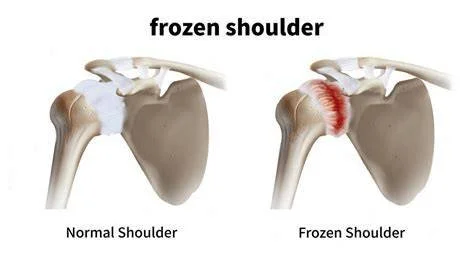
Frozen Shoulder Treatment in Melrose Park
Evidence-Based Chiropractic Care at Spine Chiropractic Melrose Park
If you've been told you have frozen shoulder, you're probably frustrated by how simple daily activities have suddenly become difficult. Reaching into a cupboard, fastening a bra, putting on a jacket or even sleeping comfortably can become painful and restrictive.
One of the most common things patients tell me is:
"I didn't even injure my shoulder... it just gradually became stiffer."
That's actually very common.
Frozen shoulder usually develops slowly over time and can significantly affect your quality of life if left unmanaged.
At Spine Chiropractic Melrose Park, my approach is to first understand why your shoulder has become painful and stiff before recommending treatment. Every patient receives a thorough assessment because not every stiff shoulder is actually frozen shoulder.
My goal is to help you understand your condition, improve your shoulder movement, reduce pain where appropriate and guide you through each stage of recovery using evidence-based chiropractic care and rehabilitation.
What Is Frozen Shoulder?
Frozen shoulder, also known as adhesive capsulitis, is a condition where the capsule surrounding the shoulder joint becomes inflamed, thickened and tight.
As this capsule tightens, shoulder movement becomes increasingly restricted.
Unlike many shoulder injuries, frozen shoulder affects both active movement (when you move your own arm) and passive movement (when someone else moves your arm).
This is one of the important features that helps distinguish frozen shoulder from other shoulder conditions.
Understanding the Three Stages of Frozen Shoulder
Frozen shoulder often develops gradually and typically progresses through three stages.
Stage 1 – Freezing Stage
This stage is usually the most painful.
Patients often notice:
Increasing shoulder pain
Pain at night
Difficulty sleeping on the affected side
Gradual loss of movement
Pain reaching overhead
This stage may last several months.
Stage 2 – Frozen Stage
During this stage the shoulder often becomes less painful but significantly stiffer.
Many people struggle with:
Reaching behind their back
Washing their hair
Putting on clothes
Reaching overhead
Driving comfortably
Stage 3 – Thawing Stage
Gradually, movement begins to improve.
Recovery can take several months and sometimes longer depending on the individual.
The aim during this stage is to restore movement safely while rebuilding shoulder strength and confidence.
Common Symptoms
Symptoms may include:
Gradually increasing shoulder pain
Shoulder stiffness
Pain reaching overhead
Difficulty reaching behind your back
Pain while dressing
Difficulty washing your hair
Pain at night
Reduced range of motion
Difficulty sleeping on the affected shoulder
Who Is More Likely to Develop Frozen Shoulder?
Frozen shoulder most commonly affects adults between the ages of 40 and 60 years.
Risk factors include:
Diabetes
Thyroid disorders
Previous shoulder injury
Shoulder surgery
Prolonged immobilisation
Stroke
Parkinson's disease
Previous shoulder pain
Sometimes frozen shoulder develops without an obvious reason.
Common Causes
Although the exact cause isn't always clear, frozen shoulder may develop following:
Shoulder injuries
Surgery
Fractures
Long periods in a sling
Inflammation of the shoulder capsule
Certain medical conditions
Many patients cannot identify a single event that caused their symptoms.
How We Assess Frozen Shoulder
One of the most important parts of your consultation is making sure you actually have frozen shoulder.
Several other conditions can produce similar symptoms, including:
Rotator cuff injuries
Shoulder bursitis
Shoulder impingement
Arthritis
Calcific tendinopathy
Cervical spine conditions
Your assessment may include:
Detailed history
Observation of shoulder movement
Active range of motion
Passive range of motion
Strength testing
Orthopaedic examination
Cervical spine assessment
Neurological examination if indicated
Where appropriate, imaging or referral may be recommended.
Evidence-Based Chiropractic Care for Frozen Shoulder
Frozen shoulder requires patience.
Unlike some injuries, it cannot simply be "adjusted" back to normal.
Treatment is always individualised and may include:
Gentle joint mobilisation
Chiropractic care where clinically appropriate
Soft tissue therapy
Rehabilitation exercises
Stretching programmes
Postural correction
Shoulder mobility exercises
Education regarding activity modification
Home exercise programmes
The focus changes depending on which stage of frozen shoulder you are experiencing.
Why Rehabilitation Is So Important
One of the biggest mistakes I see is people avoiding shoulder movement completely because they're afraid of making it worse.
While aggressive stretching isn't always appropriate, gentle movement and a structured rehabilitation programme often play an important role in maintaining function and supporting recovery.
Every rehabilitation programme I prescribe is based on:
Your pain levels
Your stage of healing
Your movement
Your goals
Your daily activities
From Dr Nasim
One of the things I enjoy most about treating shoulder problems is helping patients understand what's actually happening inside the joint.
Many people worry they've permanently damaged their shoulder because they can't lift their arm.
In reality, frozen shoulder is very different from a torn tendon or a rotator cuff injury.
Once we understand which stage you're in, we can work together on realistic goals and develop a rehabilitation plan that's appropriate for your body.
I also like to remind patients that recovery often takes time. My job isn't simply to help improve movement—it's also to support you through the recovery process and help you stay confident as your shoulder gradually improves.
Home Advice
Depending on your assessment, recommendations may include:
Gentle daily movement
Shoulder mobility exercises
Heat before exercise if appropriate
Good sleeping positions
Postural exercises
Following your rehabilitation programme
Gradually increasing shoulder use
Because every shoulder is different, exercises should always be individualised.
When Should You Seek Medical Attention?
Seek medical assessment if shoulder pain is associated with:
Significant trauma
Sudden inability to move the arm
Visible deformity
Fever
Severe swelling
Progressive arm weakness
Numbness into the hand
Unexplained weight loss
Myth vs Fact
❌ Myth
Frozen shoulder will improve faster if you force it through painful stretching.
✅ Fact
Recovery from frozen shoulder is usually gradual. Aggressive stretching may actually increase pain during certain stages. Treatment should be individualised based on your symptoms and stage of recovery.
Did You Know?
Frozen shoulder affects women slightly more often than men and is more common in people with diabetes. Although recovery can take time, many people gradually regain significant shoulder function with appropriate management.
Frequently Asked Questions
Will frozen shoulder go away on its own?
Many cases improve over time, but recovery can take many months. Appropriate assessment, education and rehabilitation may help support recovery and improve function.
Can chiropractic care help frozen shoulder?
For some people, chiropractic care may form part of a broader management plan alongside rehabilitation exercises and mobility work. Treatment is always tailored to your individual presentation.
Do I need an MRI?
Not always. Frozen shoulder is often diagnosed clinically. Imaging may be recommended if another shoulder condition is suspected.
Should I stop using my shoulder?
Complete rest is usually not recommended. Gentle movement within comfortable limits is often encouraged as part of an individual rehabilitation programme.
Can frozen shoulder come back?
Most people experience frozen shoulder only once in the same shoulder, although it can occasionally develop in the opposite shoulder.
Why Choose Spine Chiropractic Melrose Park?
At Spine Chiropractic Melrose Park, I believe successful shoulder rehabilitation begins with understanding the whole person—not just the painful shoulder.
With over 16 years of clinical experience, I combine evidence-based chiropractic care, rehabilitation, exercise prescription and patient education to help people regain confidence in their movement.
My approach includes:
✔ Comprehensive one-on-one assessments
✔ Evidence-based chiropractic care
✔ Diversified & Activator Methods®
✔ Shoulder rehabilitation programmes
✔ Soft tissue therapy
✔ Exercise prescription
✔ Postural assessment
✔ Collaboration with GPs, physiotherapists and orthopaedic specialists when appropriate
Every treatment plan is tailored to your individual goals, lifestyle and stage of recovery.
Related Conditions
You may also be interested in:
Shoulder Pain
Sports Injuries
Joint Pain
Neck Pain
Postural Problems
Pre & Post Surgical Rehabilitation
Book an Appointment
If shoulder pain or stiffness is making everyday activities difficult, we'd love to help.
Book your appointment with Dr Nasim Vesalpour at Spine Chiropractic Melrose Park for a comprehensive shoulder assessment and a personalised evidence-based rehabilitation programme designed to help you move more comfortably and confidently.