
Herniated Disc & Disc Bulge Treatment in Melrose Park
Evidence-Based Chiropractic Care at Spine Chiropractic Melrose Park
Being told you have a disc bulge or herniated disc can be frightening. Many people immediately worry they will need surgery or that their spine is permanently damaged. The good news is that this is not always the case.
Disc injuries are common, and many people with disc bulges experience little or no pain. Others may develop back pain, neck pain, sciatica or arm pain depending on the location and severity of the injury.
At Spine Chiropractic Melrose Park, Dr Nasim Vesalpour provides evidence-based chiropractic assessment, rehabilitation and personalised care for patients experiencing symptoms associated with lumbar and cervical disc injuries. Every patient receives a comprehensive assessment to understand the cause of their symptoms before discussing the most appropriate treatment options.
Having personally undergone lumbar disc surgery, Dr Nasim understands both the physical and emotional challenges that disc injuries can bring. Her goal is to help patients understand their diagnosis, improve movement, reduce pain where appropriate and support long-term spinal health.
What Is a Disc Bulge or Herniated Disc?
Your spine is made up of vertebrae separated by intervertebral discs. These discs act as shock absorbers, allowing your spine to move while distributing forces during everyday activities.
Each disc has:
A tough outer ring (annulus fibrosus)
A softer gel-like centre (nucleus pulposus)
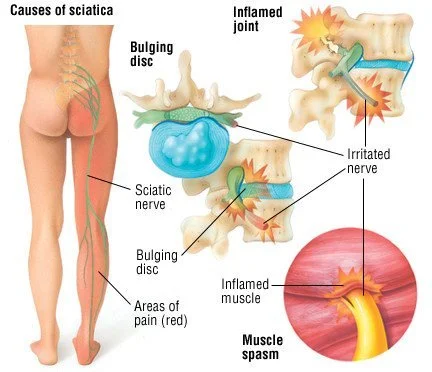
A disc bulge occurs when the disc extends beyond its normal boundaries without the outer fibres tearing completely.
A herniated disc occurs when part of the inner gel pushes through a tear in the outer layer. Depending on its location, it may irritate nearby nerves and cause symptoms such as sciatica or arm pain.
Many people have disc bulges visible on MRI without experiencing any symptoms. Imaging findings should always be interpreted alongside your clinical assessment.
Common Symptoms
Symptoms depend on the location of the disc injury and whether nearby nerves are affected.
Common symptoms include:
Lower back pain
Neck pain
Pain travelling into the buttock or leg (sciatica)
Pain radiating into the shoulder or arm
Tingling or pins and needles
Numbness
Muscle weakness
Difficulty sitting for prolonged periods
Pain with bending, lifting or twisting
Morning stiffness
Reduced spinal mobility
Not everyone with a disc bulge experiences nerve pain, and symptoms vary from person to person.
Common Causes
Disc injuries rarely occur because of one single movement. They often develop due to a combination of factors over time.
Common contributing factors include:
Repetitive bending and lifting
Poor lifting technique
Prolonged sitting
Physically demanding occupations
Sports injuries
Motor vehicle accidents
Reduced core stability
Age-related changes
Smoking
Previous spinal injuries
Sudden heavy lifting
Risk Factors
You may be at greater risk if you:
Perform repetitive manual work
Spend long hours sitting
Have a sedentary lifestyle
Smoke
Have poor physical conditioning
Participate in high-impact sports
Have previously injured your back or neck
Frequently lift heavy loads without proper technique
How We Assess Disc Injuries
A diagnosis should never be based on an MRI alone.
At Spine Chiropractic Melrose Park, your assessment may include:
Detailed medical history
Discussion of your symptoms
Neurological examination
Muscle strength testing
Sensory testing
Reflex assessment
Orthopaedic testing
Functional movement assessment
Postural assessment
Review of MRI or X-ray reports (if available)
If additional imaging or referral to another healthcare professional is appropriate, this will be discussed with you.
Evidence-Based Chiropractic Care for Disc Injuries
Every treatment plan is tailored to your individual presentation.
Depending on your assessment findings, your management may include:
Gentle chiropractic adjustments where clinically appropriate
Activator Methods®
Joint mobilisation
Soft tissue therapy
Core strengthening
Rehabilitation exercises
Neural mobility exercises
Ergonomic advice
Education about posture and lifting
Gradual return-to-activity planning
The aim is to improve movement, reduce mechanical stress on the spine where appropriate and support your recovery.
Where necessary, we work closely with your GP, physiotherapist, pain specialist or spinal surgeon to ensure coordinated care.
Dr Nasim's Clinical Insight
One of the reasons I enjoy helping patients with disc injuries is because I have experienced one myself.
After undergoing lumbar disc surgery, I understand how frustrating persistent back pain, nerve pain and reduced mobility can be. I also understand the fear many people experience when they first read an MRI report.
One of the most important lessons I've learned throughout my career is that MRI findings do not always reflect how much pain someone experiences. I've seen patients with large disc bulges who function well and others with relatively small changes who experience significant pain.
This is why I focus on treating the person—not just the scan. A comprehensive assessment helps us understand how your symptoms, movement, strength and daily activities fit together so that your management plan is tailored to your individual needs.
Home Advice
Depending on your diagnosis, you may benefit from:
Staying as active as comfortably possible
Avoiding prolonged bed rest
Gentle walking
Improving lifting technique
Core strengthening exercises
Maintaining good posture
Regular movement breaks from sitting
Following your rehabilitation programme
Because every disc injury is different, recommendations should always be individualised.
When Should You Seek Urgent Medical Attention?
Seek immediate medical assessment if you experience:
Loss of bladder or bowel control
Numbness around the groin or saddle region
Progressive weakness in one or both legs
Significant trauma
Fever with severe spinal pain
Unexplained weight loss
Rapidly worsening neurological symptoms
These symptoms require urgent medical assessment.
Myth vs Fact
❌ Myth
"I've slipped a disc."
✅ Fact
Discs do not actually "slip." They may bulge or herniate, but understanding the correct diagnosis helps guide appropriate treatment and rehabilitation.
Did You Know?
Research has shown that many people without back pain have disc bulges or disc degeneration visible on MRI. This highlights why imaging should always be interpreted alongside a thorough clinical assessment rather than in isolation.
Frequently Asked Questions
Can a herniated disc heal?
Many disc injuries improve over time as symptoms settle and the body adapts. Recovery varies depending on the individual, the severity of the injury and the management approach.
Do all disc bulges require surgery?
No. Most people with disc bulges do not require surgery. Surgical referral is usually considered only in specific situations, such as significant neurological deficits, cauda equina syndrome or persistent symptoms despite appropriate conservative care.
Can chiropractic care help a disc bulge?
Some people with disc-related musculoskeletal pain may benefit from chiropractic care as part of an individualised treatment plan. A comprehensive assessment is essential to determine whether chiropractic care is appropriate.
Is exercise safe with a disc injury?
In many cases, appropriately prescribed exercise forms an important part of recovery. Your rehabilitation programme should be tailored to your diagnosis and stage of healing.
Can a disc bulge cause sciatica?
Yes. If a lumbar disc bulge irritates or compresses a nerve root, it may contribute to symptoms of sciatica, including pain, tingling, numbness or weakness travelling down the leg.
Why Choose Spine Chiropractic Melrose Park?
At Spine Chiropractic Melrose Park, we believe that successful management of disc injuries involves much more than treating pain.
Dr Nasim Vesalpour has over 16 years of clinical experience assessing and managing patients with disc injuries, lower back pain, neck pain and nerve-related conditions. Having personally undergone lumbar disc surgery, she understands the importance of education, rehabilitation and personalised care.
Our approach combines:
Evidence-based chiropractic care
Comprehensive assessments
Individual rehabilitation programmes
Diversified and Activator Methods®
Exercise prescription
Postural and ergonomic advice
Patient education
Collaboration with GPs, physiotherapists and spinal specialists where appropriate
Our goal is to help you improve movement, restore confidence and support your long-term spinal health.
Related Conditions
You may also be interested in:
Lower Back Pain
Sciatica
Neck Pain
Sports Injuries
Postural Problems
Pre & Post Surgical Rehabilitation
Book an Appointment
If you've been diagnosed with a disc bulge or herniated disc, or you're experiencing back pain, neck pain or symptoms travelling into your arm or leg, a comprehensive assessment can help determine the most appropriate management plan.
Book your appointment today with Dr Nasim Vesalpour at Spine Chiropractic Melrose Park and let us help you move with confidence through evidence-based assessment, rehabilitation and personalised chiropractic care.